Fashion operates in short cycles. Each season redefines the silhouettes, materials, and colors that shape wardrobes. For the fall of 2026, several underlying movements are changing the way pieces are chosen, worn, and even purchased, far beyond just the catwalks.
Textile Regulation in Europe: What’s Changing for the Wardrobe This Season
Since July 19, 2026, large companies are no longer allowed to destroy unsold new clothing, accessories, and shoes throughout the European Union. This ban stems from the European regulation on product ecodesign (ESPR).
The direct consequence affects the availability of products in stores and online. Brands are increasingly developing resale, donations, repairs, and refurbished capsule collections. To assert a personal style, this means broader access to end-of-series items, pieces from previous seasons being reintroduced, and “re-made” collections that did not exist two years ago.
Exploring the current fashion trends now requires taking into account this redistribution of stock, which multiplies options without going through full-price new items.
Second-Hand and Eco-Responsibility: A Consumption Norm, Not a Niche
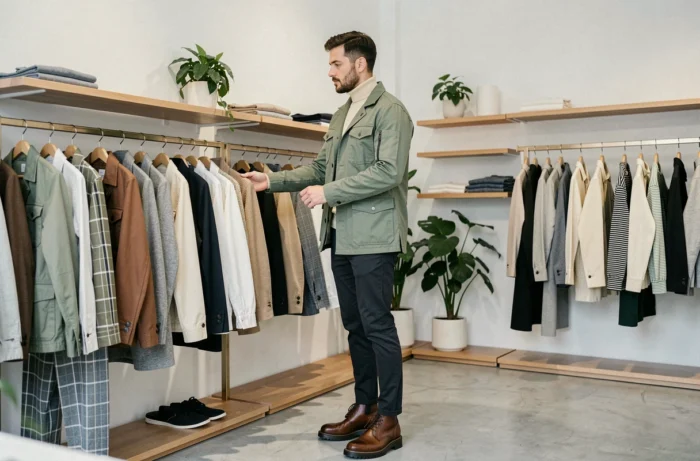
As of fall 2026, second-hand is no longer a marginal segment. Back-to-school purchases (sneakers, sweatshirts, jeans) are increasingly made second-hand, both online and in-store. The phenomenon has moved from being a trend to becoming a shopping habit shared by all age groups.
This shift changes the logic of style. Building a coherent wardrobe relies less on buying coordinated new pieces and more on assembling finds. The uniqueness of a look then depends on the ability to combine pieces from varied origins.
Practical Criteria for Successful Second-Hand Purchases
- Check the condition of seams and closures before buying, especially on blazers and structured pants that experience more tension at the joints.
- Favor natural materials (cotton, linen, wool) that age better than fine synthetics, which often pill after a few washes.
- Compare the second-hand price to the sale price of new: some end-of-line pieces resulting from the destruction ban are sold at prices comparable to the secondary market.
Silhouettes and Key Pieces for Fall 2026
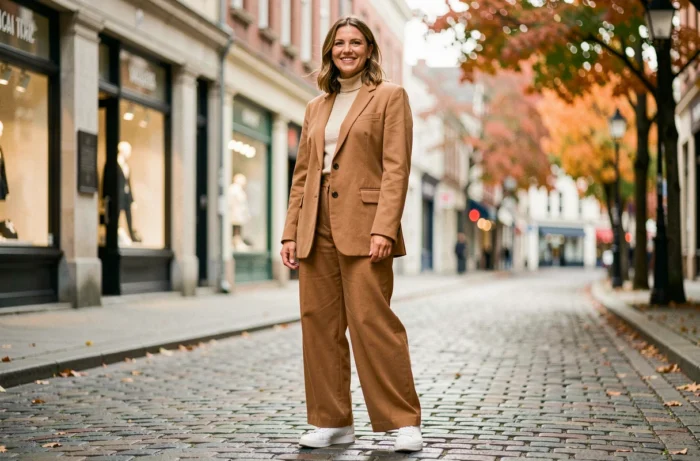
Several strong lines emerge this season. The wide and fluid pant remains a safe bet, worn in both lightweight fabric and denim. It replaces the slim fit in most contexts, from the office to the weekend.
The lightweight blazer establishes itself as a transitional piece. Worn over a simple t-shirt or an oversized shirt, it structures the silhouette without weighing down the outfit. Its relaxed cut distinguishes it from the classic fitted blazer.
Colors and Prints to Remember
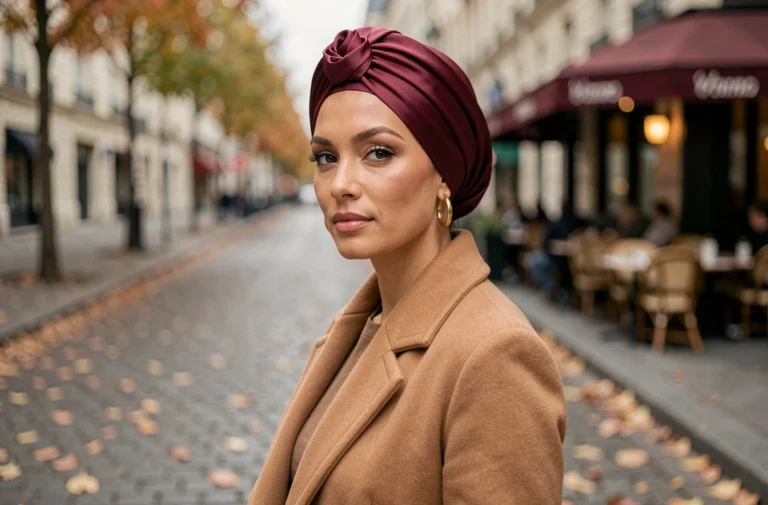
Saturated shades are gaining ground. The cassis purple, for example, is making significant strides in men’s and women’s collections this fall. Earthy colors (beige, brown, khaki) remain present but share the wardrobe with brighter accents.
In terms of prints, stripes are returning on midi skirts and shirts, while crochet, long confined to bags, is now worn as head accessories (bandanas, headbands). These details are enough to personalize a simple outfit.
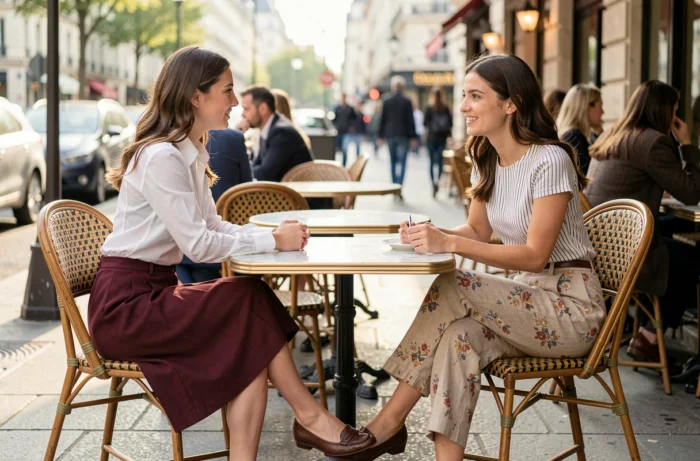
Building a Personal Style with Versatile Pieces
Affirming a style does not mean accumulating trendy pieces. The most effective approach is to identify three or four quality basics that serve as a foundation, then to complement this foundation with more distinctive elements.
- A straight or barrel jean, in raw or washed denim, that works with almost the entire wardrobe.
- A pair of versatile flat shoes (sandals, mules, or ballet flats depending on the season) that pairs well with both a long dress and wide pants.
- A signature accessory (belt, scarf, jewelry) chosen for its durability and ability to transform a neutral look into an identifiable outfit.
This approach reduces the number of pieces purchased without limiting possible combinations. Three well-chosen pieces create more distinct outfits than ten impulsive purchases.
Adapting Trends to One’s Body Shape
The fluid long dress, a key piece of the season, works on most silhouettes as long as the belt and fabric drape are adjusted. A belt placed at the natural waist defines the silhouette without constraining it. Without a belt, the same dress creates a more relaxed column effect.
The oversized sweater, still present in collections, is worn partially tucked into high-waisted pants to avoid the “drowned in fabric” effect. The proportion between the top and bottom remains the most determining factor for achieving a balanced look.
Sustainable Fashion and Style Assertion: A Concrete Link
The ESPR regulation and the rise of second-hand converge towards the same result: personal style is increasingly built through selection rather than accumulation. Brands are offering more refurbished pieces, second-hand platforms are expanding their catalogs, and end-of-line items circulate for longer.
For the fall of 2026, the most structuring trend is not a color or a cut. It is the ability to compose a coherent wardrobe by drawing from varied sources, from new to refurbished, including alterations of existing pieces. The trendiest garment remains the one that is worn regularly because it truly fits one’s body shape and lifestyle.