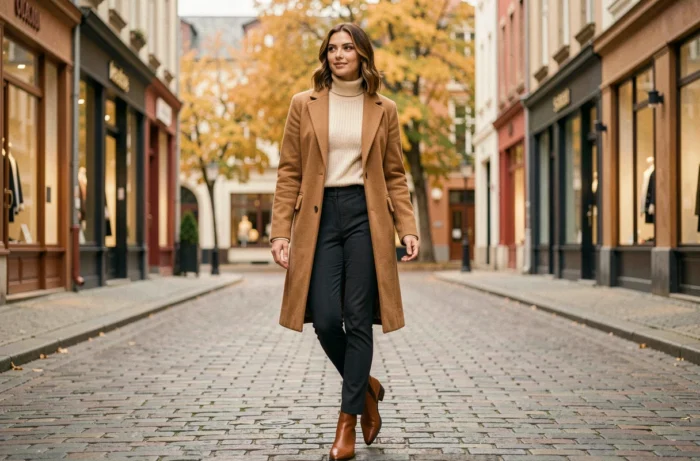
The autumn-winter 2026-2027 fashion season is not just a list of items to add to your cart. Behind the style trends displayed on runways and in shop windows, a European regulatory framework is reshaping the rules of the game for brands and, by extension, for consumers. Understanding these changes allows for more informed clothing choices this season.
European textile regulation: what changes concretely for your wardrobe
Since July 19, 2026, large European companies can generally no longer destroy their unsold clothing, accessories, and shoes. They must prioritize resale, donation, repair, or refurbishment, with certain exceptions. This measure will extend to medium-sized companies starting in 2030.
This ban alters the upstream value chain. Brands are adjusting their production volumes, resulting in tighter collections and less frequent restocks. For consumers, this means that some trendy pieces of the season may be available in more limited quantities than before.
At the same time, France is specifically tightening its approach to ultra-fast fashion. Collections that were renewed every two weeks are facing increased constraints, redistributing visibility towards brands with a more measured production pace. On the site Les Tendances de Mya, selections already reflect this shift towards pieces designed to last beyond a micro-season.
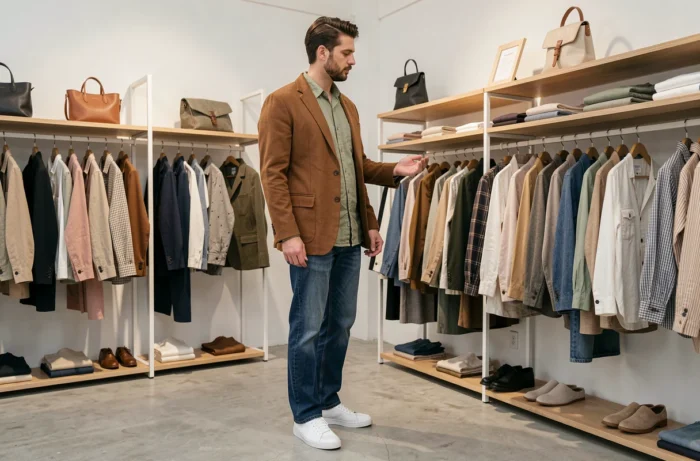
Digital textile passport: traceability and style choices
The European regulation ESPR, in effect since July 18, 2024, is preparing for the introduction of digital product passports. These dematerialized sheets will indicate fiber composition, geographical origin, estimated durability, reparability, and recycling information.
The precise timeline still depends on the delegated act concerning textiles. The available data does not allow for a firm deployment date for the entire market. However, several European brands have begun integrating QR codes on their labels, anticipating the standard.
This traceability transforms the relationship with clothing. Choosing an autumn look increasingly relies not just on aesthetics: composition and origin are becoming full-fledged style criteria. A traceable wool coat or a dress with known production workshop acquires a value that price alone does not reflect.
What this changes at the time of purchase
- Checking the actual fiber composition before buying becomes possible without relying solely on the paper label, thanks to the digital data associated with the product.
- Comparing the estimated durability of two similar pieces (a recycled polyester blazer versus a virgin wool blazer, for example) helps to balance a seasonal fashion budget.
- Identifying recommended repair or recycling channels by the brand extends the lifespan of each piece in the wardrobe.
Autumn 2026 fashion trends: silhouettes that stand out from the runways
London Fashion Week and Milanese shows have delivered converging signals. Oversized volumes persist, but with a more architectural construction than before: pronounced shoulders, waists suggested by wide belts, asymmetrical lengths.
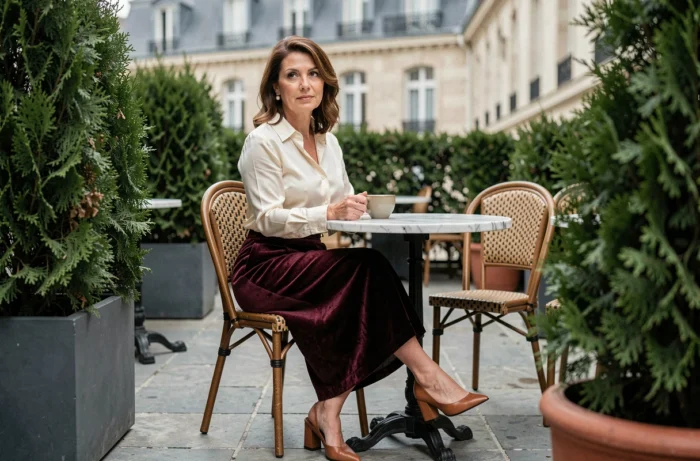
On the color front, burgundy emerges as the key shade of the season. Field returns diverge on this point: some professional buyers believe that chocolate and khaki will take up as much space in stores. Ecru maintains its position as a versatile neutral, gradually replacing classic beige in autumn wardrobes.
Pieces to watch this season
The blazer structures the majority of looks presented on the runways. Worn open over a fine knit or closed like a short jacket, it adapts well to both professional contexts and weekend outings. The blazer remains the most versatile piece in the autumn wardrobe.
Flowy long dresses are gaining ground for autumn, worn with high boots. This contrast between the lightness of the fabric and the sturdiness of the shoe creates a silhouette that several houses have interpreted in Milan.
On the knitwear side, high-neck sweaters and sleeveless vests layered over shirts are making a strong comeback. Layering remains the basic principle for adapting a look to temperature variations without multiplying purchases.
Embracing fashion trends without renewing your entire wardrobe
The regulatory context and production changes invite a rethink of how to integrate trends. Rather than replacing your entire wardrobe each season, three or four well-chosen pieces are enough to refresh a style.
A burgundy blazer, a pair of chunky-soled boots, and a ribbed knit sweater can transform an existing base of straight jeans and white shirts. This approach aligns with the logic of tighter collections that brands are adopting under the pressure of new standards.
The autumn-winter 2026 fashion season is also characterized by a return to natural or recycled materials in accessible ranges, driven by consumer demand as much as by legal obligations. Choosing a piece made from recycled fiber is no longer a militant gesture but a market reflex.
This season’s fashion trends can be read on two levels: the silhouettes and colors visible on the runways, and the structural changes that condition the available offer in stores. Keeping both perspectives in mind when making a purchase allows for the construction of a sustainable style, both literally and in terms of clothing.