
On Citygo, a driver’s flexibility to generate regular income is not limited to the number of trips published. The real leverage lies in the combination of profile optimization, utilizing the Sustainable Mobility Package, and mastering the carpooling bonus mechanisms. Here, we detail the most profitable strategies, often absent from mainstream guides.
Sustainable Mobility Package and Citygo: the tax lever that drivers overlook
A salaried driver using Citygo for their home-to-work trips can claim their carpools from their employer under the Sustainable Mobility Package (SMP). In 2026, a private employer can pay up to 600 euros per year per employee under the SMP, exempt from social contributions and income tax. This ceiling rises to 900 euros per year if combined with the mandatory coverage of a public transport subscription.
This scheme is independent of the carpooling bonus paid by the State. A Citygo driver can therefore combine both without regulatory conflict. To trigger the SMP, proof of the trips made must be provided: the Citygo history (accessible from the app) or a certificate from the platform are acceptable justifications.
We recommend checking whether your company has indeed implemented the SMP, as it remains optional in the private sector. If not, a formal request to the HR department, supported by the Citygo justifications, may be enough to open the discussion. To delve deeper into effective methods on Citygo for supplementary income, this SMP + bonus combination remains the most advantageous setup in terms of net gain.

Carpooling bonus: eligibility conditions and payment sequencing
The State’s carpooling bonus, distributed via the partner AIDEE on Citygo, follows a precise sequencing that must be respected to avoid losing the benefit of the payments. The first eligible carpool triggers a payment of 25 euros to the Citygo wallet. The next 9 trips, completed within 90 days after the first, entitle the driver to an additional 75 euros.
Two constraints are often misunderstood:
- The 90-day period starts from the first eligible trip, not from registration. Planning trips as soon as activation avoids letting the counter run out.
- The sworn statement confirming that the bonus has not been received on another platform must be signed before the first trip. Without this step, no payment is triggered.
- The identity verification (photo of the driving license and selfie) must be validated in advance. Processing times can take several days, hence the importance of anticipating.
A driver who completes their 10 eligible trips in the first few weeks secures the entire bonus without the risk of exceeding the deadline. The 100 euros can be withdrawn at any time from the Citygo wallet once credited.
Driver profile optimization and passenger acceptance rate
The occupancy rate of a vehicle on Citygo directly depends on the trust that the profile inspires. An incomplete profile or one without a photo significantly reduces the number of requests received.
Criteria that make a difference for passengers
Passengers filter based on three elements before sending a request: the profile photo, the response rate to messages, and the reviews left by previous carpoolers. A profile with a photo and positive reviews receives significantly more requests than an anonymous profile.
Responsiveness also plays a technical role. The Citygo algorithm favors drivers who respond quickly to trip requests. Responding within minutes of a notification increases the visibility of the trip in the app’s search results.
Flexibility in payment methods
Accepting both online and cash payments broadens the pool of potential passengers. Some users, especially those new to the platform, have not yet set up a digital payment method. Refusing cash means cutting off part of the demand.
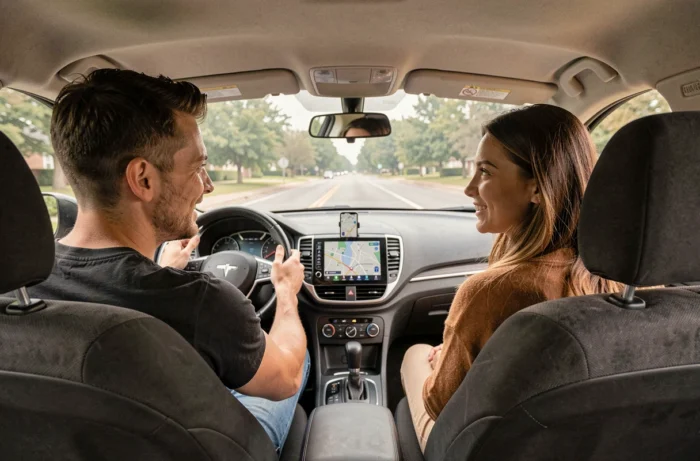
Home-to-work trips on Citygo: regularity and non-taxation
Recurring home-to-work trips represent the most stable income base on Citygo. Publishing a recurring trip rather than one-off trips allows regular passengers to book automatically, reducing management time.
From a tax perspective, the amounts received via Citygo for classic carpooling do not constitute taxable income. The driver does not make any personal profit since passengers only contribute to the incurred costs (fuel, tolls). This exemption holds as long as the cost-sharing remains proportional to the trip made, without margin.
Citygo guarantees this framework by capping the amounts requested by the driver. No tax declaration is required for these amounts, which clearly distinguishes them from income from paid transport platforms (VTC, for example).
Strategic departure points and publication timings
Publishing a trip from a departure point located near a transport hub (train station, metro station, park-and-ride) increases the likelihood of being found by actively searching passengers. Trips published from isolated residential addresses generate less visibility in the results.
The timing of publication also matters. We observe that trips published about 30 minutes before the scheduled departure attract the most responsive passengers. For morning home-to-work trips, publishing the night before allows capturing passengers who plan their week in advance.
Last often overlooked point: traveling with little luggage facilitates the acceptance of multiple passenger requests on the same trip, which mechanically increases the cost-sharing perceived by the driver. A cluttered vehicle limits available seats and reduces the yield of each ride.