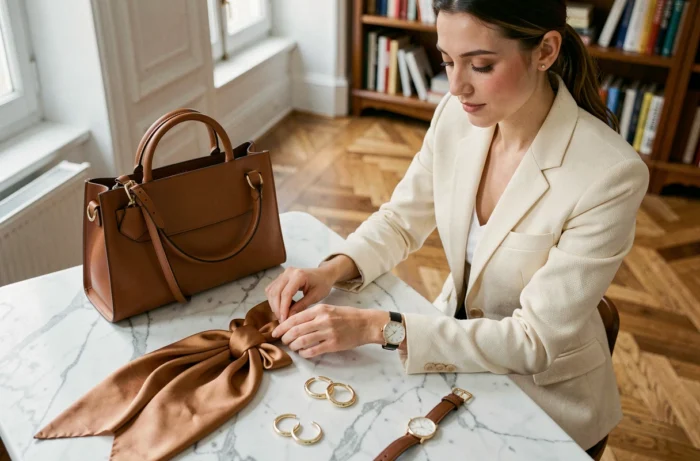
A bag that no longer closes properly, sunglasses that slide down your nose after ten minutes, a belt whose buckle turns green at the first rainstorm: we’ve all experienced the moment when a poorly chosen accessory ruins an entire outfit. The autumn-winter season encourages a reevaluation of what truly makes up the wardrobe, beyond just textile pieces.
Fashion accessories play a structuring role in style, provided they are selected based on concrete criteria of durability, versatility, and coherence with the rest of the wardrobe.
Bonus-malus REP and accessories: what the regulation changes for your purchase
Since September 1, 2026, the French bonus-malus REP (extended producer responsibility) system includes the duration of use, reparability, recycled content, and recyclability of textile products and accessories. In practical terms, brands that design repairable pieces pay lower contributions, while those that focus on disposable items see their costs increase.
For us consumers, this translates into a price signal. A bag whose seams can be repaired or whose zipper can be replaced may cost a bit more at purchase, but it reflects a business model that incorporates sustainability from the design stage. You can find this type of piece among the accessories on Fashion Pulse, where the selection prioritizes materials designed to last several seasons.
This regulatory framework does not only concern clothing. Costume jewelry, belts, shoes, and small leather goods are included in the scope. Before buying, checking if the brand offers a repair or take-back service becomes a useful reflex, not only for the environment but for the actual longevity of the accessory.
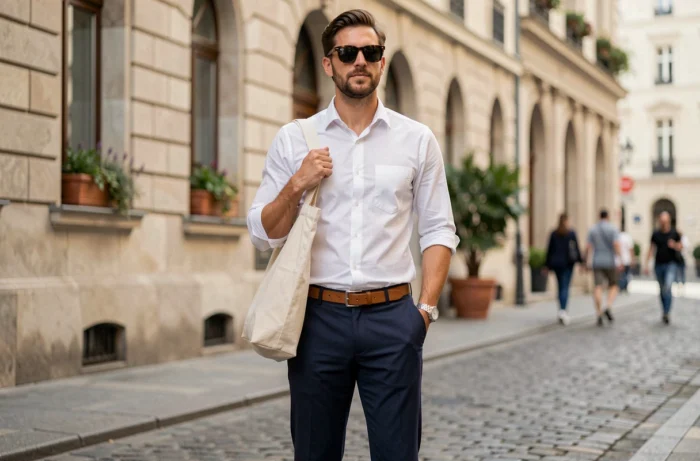
Structured bag or soft bag: choose according to actual use
Each season brings trends in bags that change in shape, size, and material. The problem is that a bag chosen solely for its appearance often ends up at the back of the closet because it doesn’t stand up, lacks an interior pocket, or is too heavy when empty.
The test of three situations
Before investing, we put the bag through the lens of three contexts: home-office commute, weekend outing, short trip. A bag that works in at least two of these situations is worth purchasing. A model that only covers one use case becomes a niche accessory, not a wardrobe staple.
- The structured leather or thick faux leather bag stands on its own, protects a laptop, and pairs easily with both work attire and a more dressed-up look.
- The soft bag (canvas tote, reinforced tote bag) folds, slips into luggage, handles unexpected shopping, and supports longer days.
- The small crossbody bag covers light outings (phone, keys, card) but never replaces a main bag for everyday use.
Opinions vary on this point, but most seasonal looks gain coherence when pairing a structured bag with fluid outfits and a soft bag with more architectural silhouettes. The contrast creates balance.
Seasonal jewelry: focus on layering rather than a single piece
The statement jewelry, worn alone as a signature, has given way to a controlled accumulation approach. We layer necklaces of different lengths, stack thin bracelets, and mix metals. The brooch makes a notable comeback on the runways this season, worn on the lapel of a coat or directly on a turtleneck.
Jewelry layering replaces the single piece as a style marker. Two or three fine pieces often cost less than a single bulky piece and offer more possible combinations.
Materials to prioritize for durability
Gold-plated stainless steel resists water and oxidation much better than plated brass. Vermeil (silver covered with gold) is a solid compromise between gold plating and solid gold. Checking the composition before purchase avoids unpleasant surprises after a few weeks of wear.
Natural stones (agate, quartz, jasper) add pops of color without falling into disposable fantasy. They pair well with autumn palettes, from terracotta to deep greens that dominate the season’s trends.
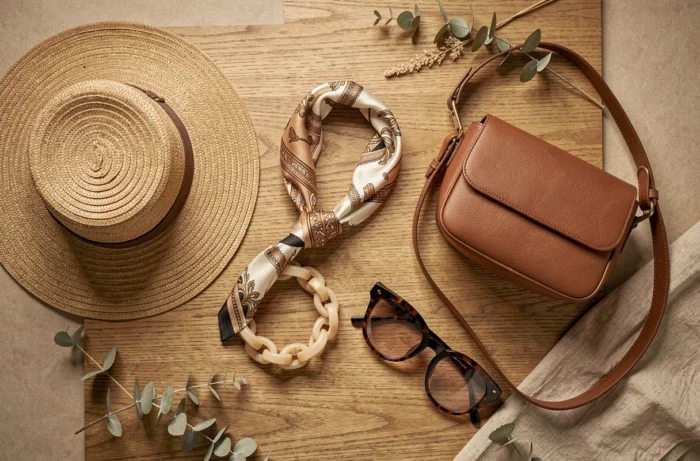
Belts and shoes: the finishes that hold the look together
We often talk about clothing and bags, but less about two accessories that determine the overall silhouette: the belt and shoes. A well-fitted belt restructures an entire outfit, accentuating the waist on a fluid dress or breaking the monotony of high-waisted pants.
Belt: width and buckle make the difference
The thin belt (less than two centimeters) goes unnoticed and slips into classic belt loops. The medium belt works well worn at the waist or on the hips. The wide belt, on the other hand, becomes a piece in its own right and requires an outfit that highlights it.
On the buckle side, matte finishes (brushed nickel, aged brass) age better than shiny buckles that tarnish quickly. One should choose a metal color consistent with their jewelry to avoid accidental mixing.
Shoes: the link between comfort and style
Square-toed ankle boots are making a statement this season against pointed toes. They offer more comfort over time and pair well with both jeans and midi skirts. Chunky loafers continue to gain ground as an alternative to sneakers for a polished yet relaxed look.
Investing in a versatile pair of shoes reduces the need to accumulate several. It’s better to have a pair of full-grain leather ankle boots worn three times a week than a collection of fragile models that wear out at the first wet sidewalk.
This season’s choice of accessories relies less on fleeting trends and more on each piece’s ability to last and integrate into varied outfits. The regulation pushes brands toward reparability, and consumers toward more thoughtful purchases. A bag that can be repaired, jewelry that can be combined, shoes that hold up: this trio structures a solid style, season after season.